
Discovering Satonda Island and Its Unique Saltwater Lake in Northern Sumbawa
Discovering Satonda Island and Its Unique Saltwater Lake in Northern Sumbawa
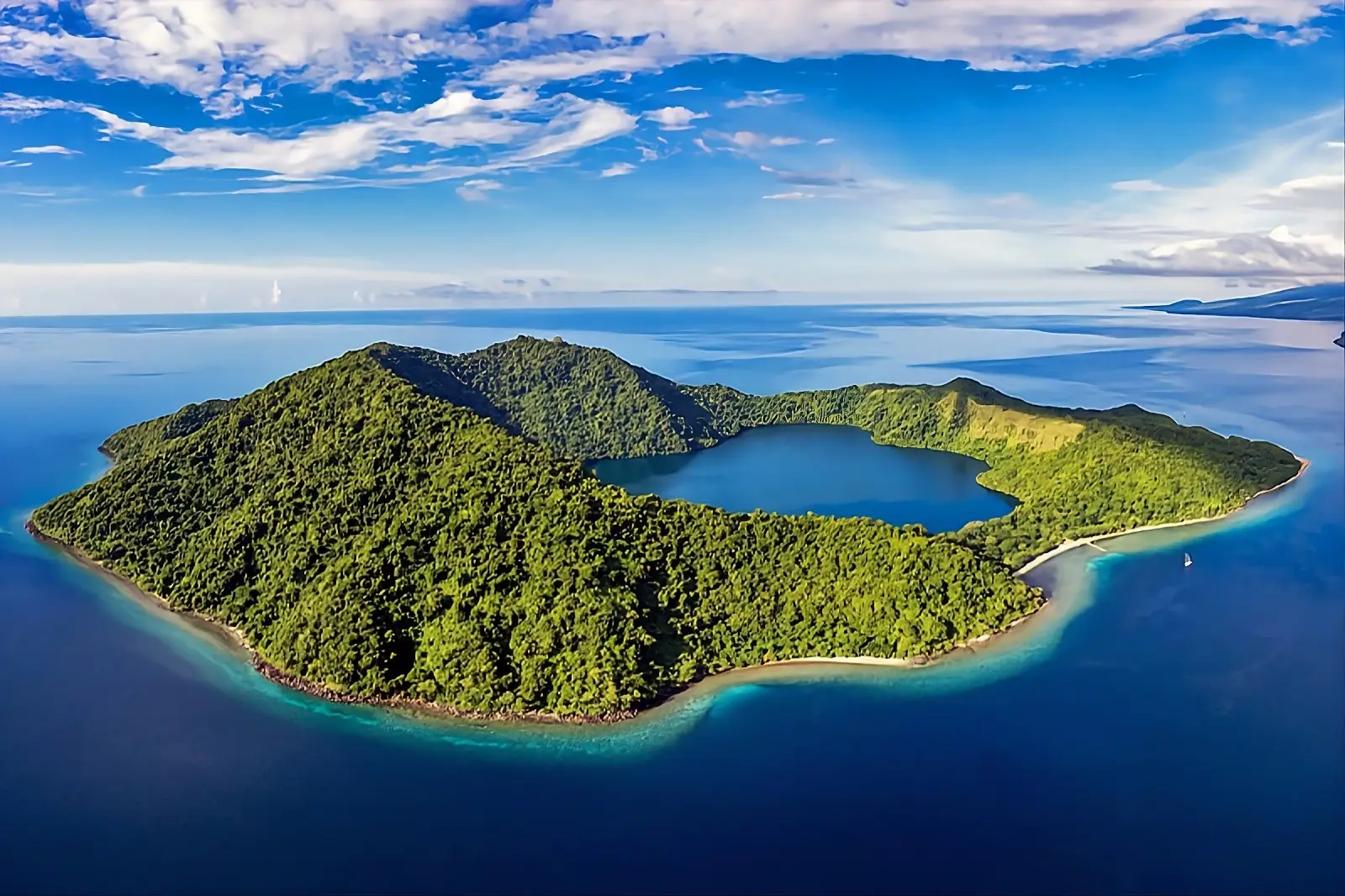
Many guests I guide through the northern waters of Sumbawa usually ask the same question when our boat begins approaching a small, quiet island in the distance. They see a stretch of white shoreline and green hills rising behind it, then ask whether the island is simply a stopover or if there is something special waiting inside.
The island they are looking at is Satonda Island. From the outside, it appears like many other tropical islands across Indonesia. However, after walking for about twenty minutes through a shaded forest path toward the center of the island, most visitors begin to understand why this place is included in many longer sailing itineraries.
Hidden in the middle of the island lies a remarkable natural feature known as Lake Satonda. It is a saltwater lake formed within an ancient volcanic crater and is considered one of the most unusual geological features in this part of Indonesia.
Location of Satonda Island and Its Geographic Context
Satonda Island is located within the province of West Nusa Tenggara, just north of Sumbawa Island. The island is part of the conservation area managed under Komodo National Park, although geographically it sits slightly apart from the better known islands such as Komodo Island and Rinca Island.
For travelers departing from Labuan Bajo, reaching Satonda usually requires a longer boat journey across the northern waters of Sumbawa. In many of the tours I guide, the island is included in multi day sailing trips or liveaboard itineraries because of its distance from the main tourist routes.
The waters surrounding the island are generally calm during the dry season, making it a comfortable stop for boats before continuing toward other destinations across Flores and Sumbawa.
The Main Attraction of Satonda Island
The highlight of Satonda Island is undoubtedly Lake Satonda. When visitors first arrive at the lake, many assume it is a freshwater lake because its surface appears calm and clear, with soft blue and green tones reflecting the surrounding hills.
However, the lake actually contains saltwater. Its salinity is significantly higher than most inland lakes, which makes swimming feel quite different from typical freshwater lakes.
Geologically, the lake sits within an ancient volcanic crater. One of the most widely discussed explanations for the lake’s saltwater composition is connected to the powerful 1815 eruption of Mount Tambora at Mount Tambora.
This eruption is known as one of the most powerful volcanic events in recorded history. Many researchers believe that the massive explosion triggered tsunamis that pushed seawater into the crater basin on Satonda. Over time, the trapped seawater underwent evaporation and chemical changes, eventually forming the saltwater lake that visitors see today.
Walking around the edge of the lake gives travelers a different perspective of the island compared to the coastal scenery they usually encounter in the Komodo region.
Professional Insight from Guiding Visitors
From my experience guiding travelers to Satonda Island, one aspect that often surprises them is the peaceful atmosphere of the island.
Unlike destinations such as Komodo or Padar that attract large numbers of visitors, Satonda tends to receive far fewer boats. The journey required to reach the island naturally limits the number of daily visitors.
When guiding small groups, I usually encourage them to walk slowly along the forest trail leading to the lake. The short trek is not difficult, but it allows visitors to observe the island’s vegetation and listen to the sounds of seabirds nesting in the trees.
Once we arrive at the lake, many guests choose to swim. The water is calm and buoyant due to its salt content, so floating on the surface often feels similar to swimming in the ocean but without waves.
As a guide, I typically advise visitors not to stay in the water too long. The salt concentration can leave the skin feeling dry, so rinsing off with fresh water after returning to the boat is always recommended.
Comparing Satonda with Other Destinations in the Komodo Region
When compared with other islands in the Komodo area, Satonda offers a very different kind of experience.
Islands such as Padar Island are famous for their dramatic viewpoints and sweeping coastal landscapes. Meanwhile, Komodo Island is primarily known for its population of Komodo dragons.
Satonda Island does not feature large wildlife or panoramic viewpoints in the same way. Its significance lies more in its geological uniqueness and the quiet atmosphere that surrounds the island.
For travelers interested in natural history and volcanic landscapes, Satonda provides an additional layer of understanding about how the islands of eastern Indonesia have been shaped over time.
The Best Time to Visit Satonda Island
The most favorable period to visit Satonda Island is generally between April and October. During these months, sea conditions around northern Sumbawa are usually calmer, making boat travel more comfortable.
Clear weather during this season also improves visibility for swimming and snorkeling around the island.
The rainy season does not necessarily prevent visits, but stronger winds and higher waves sometimes require adjustments to sailing schedules.
Professional Tips for Visitors
Before visiting Satonda Island, there are a few practical suggestions I usually share with travelers.
First, wear light trekking shoes or sturdy sandals. The trail leading to the lake is relatively short but can become slippery after rainfall.
Second, bring enough drinking water. Facilities on the island are very limited because the area is managed as a conservation site.
Third, always respect the environment and avoid leaving any trash behind. The island remains relatively untouched, and maintaining its condition is essential for future visitors.
Finally, if you plan to swim in the lake, it is best to rinse off with fresh water afterward once you return to the boat. The salt concentration in the lake can be quite noticeable on the skin.
Conclusion
From the perspective of someone who regularly guides travelers through the waters of northern Sumbawa, Satonda Island remains one of the most interesting places to explain to visitors. Not because of luxury facilities or crowded attractions, but because of the natural story preserved within the island itself.
The presence of a saltwater lake in the center of a small volcanic island reminds travelers that the landscapes we see today are shaped by powerful geological events over long periods of time. When visitors walk around Lake Satonda and learn about its connection to the eruption of Mount Tambora, they often gain a deeper appreciation for the natural history of this region.
For me as a guide, Satonda Island represents a destination where the value of travel lies in understanding the character of the landscape and the stories that each island quietly holds within it.