
Manjarite Labuan Bajo A Calm Snorkeling Stop in Komodo National Park
Manjarite Labuan Bajo A Calm Snorkeling Stop in Komodo National Park
One question I often hear from travelers when we begin a boat trip from Labuan Bajo is simple.
“Is there a snorkeling spot with calm water where beginners can feel comfortable?”
In most cases, I recommend one location without hesitation. That place is Manjarite.
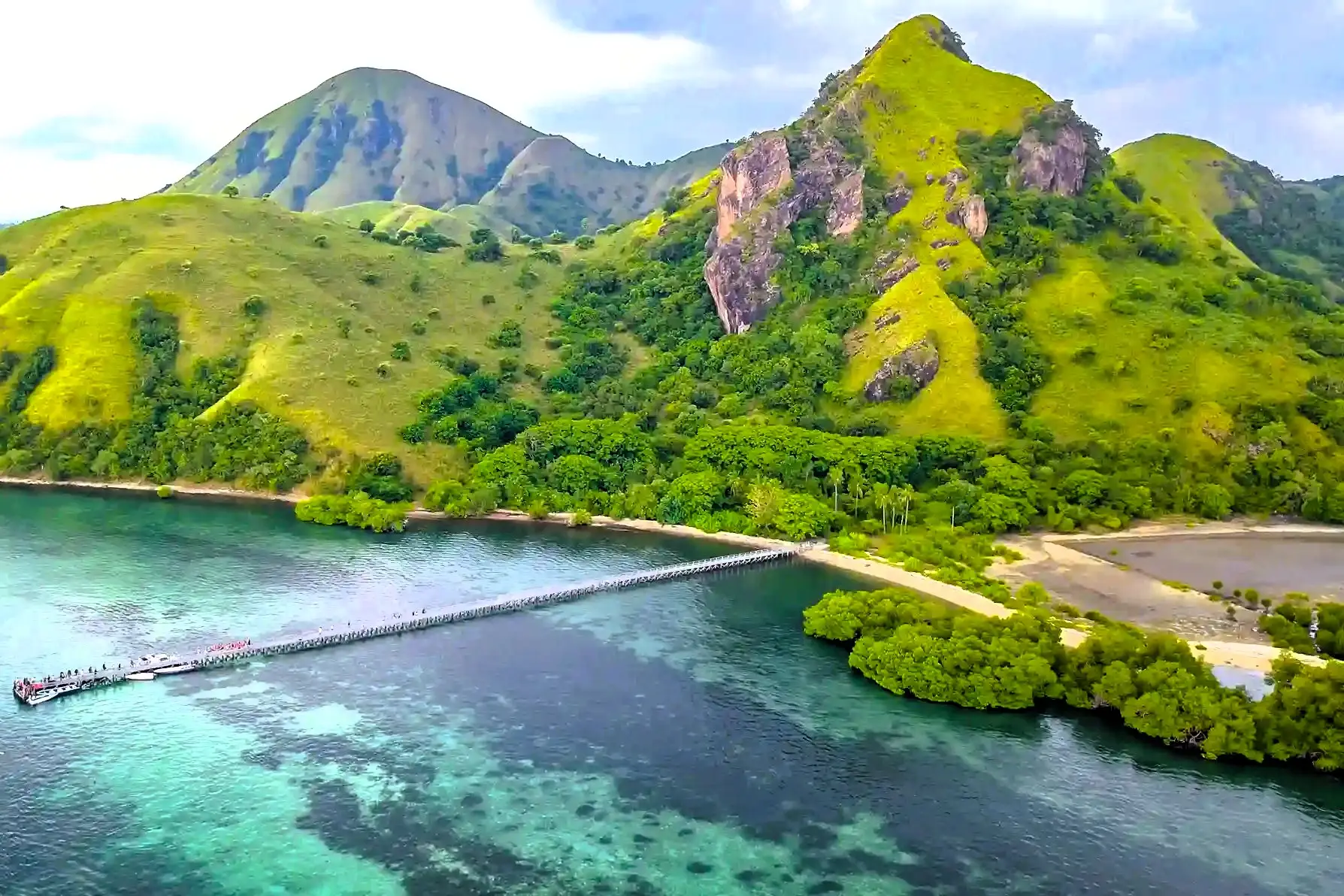
As a tour guide who regularly accompanies visitors around Komodo National Park, I consider Manjarite one of the most reliable stops in the area. It does not have strong currents like some other reefs in Komodo waters, and that is exactly what makes it appealing. Clear water, a long wooden pier, and coral reefs located close to shore allow visitors to enjoy the underwater environment without swimming far from the boat.
For many travelers visiting Flores Island for the first time, Manjarite becomes an easy introduction to the marine landscape of the Komodo region.
Location and Access from Labuan Bajo
Manjarite is located on the northern side of Rinca Island, within the protected waters of Komodo National Park. From the harbor in Labuan Bajo, the journey usually takes around 40 to 60 minutes by speedboat.
Because of its relatively short distance, many tour boats make Manjarite their first stop before continuing to other destinations such as Padar Island or Komodo Island.
As the boat approaches the area, the scenery changes into a quiet bay surrounded by dry hills that are characteristic of the Komodo landscape. In the center of the bay stands a long wooden pier that extends into the water.
This pier is one of the defining features of Manjarite and allows visitors to enter the water easily.
The Main Attraction of Manjarite
What makes Manjarite appealing is not its size, but the accessibility of its underwater environment.
The water is usually very clear, especially in the morning. Even from the pier, visitors can often see coral formations and small reef fish moving below the surface.
Once in the water, snorkelers typically encounter common reef species such as butterflyfish, parrotfish, and small schooling fish that move among the coral branches. The reef structure is dominated by hard corals, with several plate coral formations that create interesting underwater scenery.
From my experience guiding guests, the area on the left side of the pier when facing the open water is often the most comfortable for snorkeling. The depth gradually changes from about two meters to around five meters, which is suitable for beginners who prefer to stay relatively close to the reef.
Because the bay is naturally sheltered, currents at Manjarite are generally gentler than many other snorkeling sites within the Komodo region.
Practical Observations from Guiding Visitors
One thing I frequently notice when bringing guests to Manjarite is how quickly their confidence grows once they enter the water.
Many travelers initially feel uncertain about snorkeling in the open sea. However, after spending some time in the calm water of Manjarite, they usually become much more relaxed.
As a guide, I often advise guests not to swim too far immediately after entering the water. It is better to float calmly for a few minutes, adjust to the water temperature, and observe the movement of the reef below.
Once they feel comfortable, they can slowly explore along the coral edge.
This simple approach helps visitors enjoy snorkeling without unnecessary fatigue.
I also consistently remind guests to keep a respectful distance from the coral. Although coral structures appear solid, they are extremely fragile ecosystems.
Comparison with Other Locations in Komodo
Compared with places like Pink Beach or the waters around Kanawa Island, Manjarite offers a slightly different experience.
Pink Beach is widely known for its unique pink sand, while Kanawa Island attracts visitors who want to relax on a small tropical island.
Manjarite, on the other hand, is valued for its practicality as a snorkeling stop. It offers easy access to coral reefs and calm conditions that suit a wide range of travelers.
For visitors who want to enjoy marine life without dealing with strong currents, Manjarite often becomes one of the most comfortable locations in the itinerary.
Best Time to Visit Manjarite
Based on my experience guiding trips around Komodo National Park, the best time to visit Manjarite is usually between 8:00 and 10:30 in the morning.
At that time, sunlight penetrates the water clearly, improving visibility for snorkeling. The wind is also typically calmer during the early part of the day.
In general, the most stable travel season in the region around Flores Island runs from April to November, when sea conditions tend to be more predictable.
However, Manjarite can still be visited outside this period as long as sea conditions remain safe.
Professional Tips for Visitors
From guiding many different types of travelers, I have learned that a few simple preparations can make the visit far more enjoyable.
First, make sure your snorkeling mask fits properly. A poorly fitted mask is one of the most common reasons people struggle during their first snorkeling experience.
Second, do not hesitate to use a flotation device if you are not used to swimming in the ocean. Floating comfortably allows you to observe marine life more easily.
Third, avoid standing on coral. Apart from damaging the reef ecosystem, coral surfaces can also cause injuries.
Finally, if possible, bring an underwater camera. The water clarity at Manjarite often allows visitors to capture surprisingly good photos, even with basic equipment.
Conclusion
Among the many stops I guide within Komodo National Park, Manjarite remains one of the most consistently enjoyable for visitors.
Its short distance from Labuan Bajo, calm waters, and accessible coral reefs make it suitable for both beginners and experienced travelers.
From a guide’s perspective, Manjarite is more than just a brief snorkeling stop in a Komodo itinerary. For many visitors, it becomes their first close encounter with a coral reef ecosystem.
And through that experience, they often gain a deeper appreciation for why the marine environment of Komodo is carefully protected by guides, conservationists, and local communities.