
A Guide to Monkey Island Labuan Bajo with the Seven Seas Group
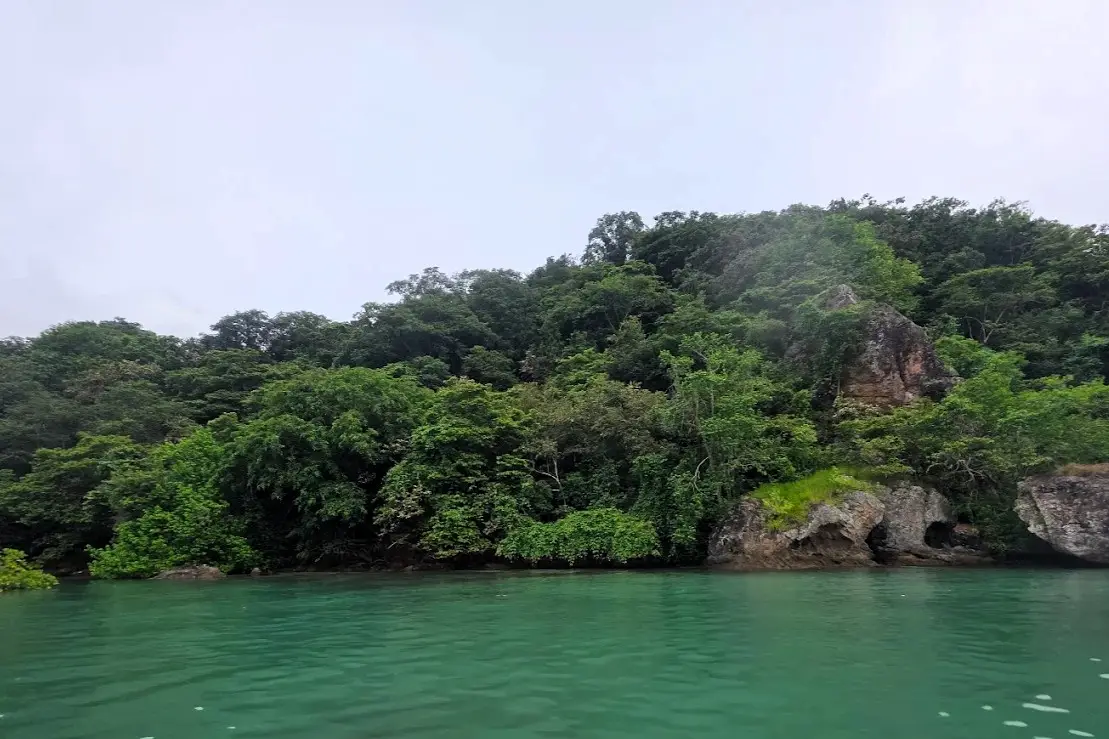
The dramatic transformation of Labuan Bajo from a quiet fishing village on the western tip of Flores Island into a world-class super-priority tourism destination highlights the global appeal of East Nusa Tenggara. While the legendary Komodo dragons of Komodo and Rinca islands remain the primary attraction for international travelers, the surrounding waters are home to a collection of smaller, equally enchanting islets. Among these hidden gems is Pulau Monyet, known internationally as Monkey Island Labuan Bajo.
To help travelers fully appreciate this unique sanctuary, the expert tour guide team of The Seven Seas Group provides a comprehensive analysis of the island through a structured exploration of its geography, wildlife, and conservation realities.
Understanding the Nature of Pulau Monyet
Pulau Monyet is a small, uninhabited limestone island characterized by dense tropical foliage, clean sandy beaches, and a vibrant fringing reef. The island derives its name from its most famous residents, a large population of wild long-tailed macaques. These highly intelligent primates have adapted perfectly to the coastal environment, frequently descending from the forested hills to forage along the shoreline and entertain visitors with their playful and curious behaviors.
For international tourists, the primary appeal of Monkey Island lies in the combination of terrestrial wildlife viewing and world-class marine exploration. The waters surrounding the island feature remarkable visibility and gentle currents, making the location a prime spot for snorkeling and swimming. Below the surface, travelers can explore thriving coral gardens teeming with colorful tropical fish, representing a micro-ecosystem within the highly biodiverse Coral Triangle.
However, because the macaques are entirely wild, the tour guide team advises visitors to maintain a respectful distance. The monkeys are highly opportunistic and possess an innate curiosity, which often leads them to snatch loose personal items, cameras, sunglasses, or food bags from unsuspecting beachgoers.
Geographical Position and Strategic Proximity
Pulau Monyet occupies a highly strategic maritime position in the West Manggarai Regency of East Nusa Tenggara. It is located a mere 800 meters from the main harbor of Labuan Bajo, making it one of the most accessible offshore destinations in the entire region. Its proximity to the harbor means that the island stands as a natural landmark, silently witnessing the daily flow of traditional wooden phinisi vessels, speedboats, and cargo ships entering the bay.
The islet is also situated close to other luxury tourism developments and natural landmarks. It lies just a short distance from Bidadari Island, a popular snorkeling haven, and the luxury resort enclave of Waecicu Beach.
For instance, the exclusive Hanging Pool Villas at Plataran Komodo Resort and Spa on Waecicu Beach are designed to offer direct, unobstructed views of the Flores Sea, overlooking both Bidadari Island and the green canopy of Pulau Monyet. This close proximity allows high-end travelers to transition from five-star shore accommodations to the wild terrain of Monkey Island in a matter of minutes.
Geographic and Logistical Profile of Monkey Island
Parameter | Geographic and Logistical Specifications | Supporting Evidence |
|---|---|---|
Official Name | Pulau Monyet (Monkey Island) | |
Distance from Port | Approximately 800 meters from Labuan Bajo Harbor | |
Accommodation | Uninhabited with no overnight facilities on land | |
Nearby Landforms | Waecicu Beach, Bidadari Island, Amelia Sea View | |
Main Attractions | Wild macaque watching, coral reef snorkeling, kayaking |
The Conservation Paradox and Environmental Protection Actions
Despite its status as an uninhabited natural sanctuary, Pulau Monyet presents a profound ecological paradox that serves as a vital case study for marine conservation. Because the island sits close to the expanding urban center of Labuan Bajo and directly adjacent to busy maritime transport lanes, tidal currents and seasonal winds regularly wash significant amounts of plastic waste, consumer cans, and other marine debris onto its beaches. This accumulation occurs despite the complete absence of a permanent human population on the island, illustrating how global ocean pollution impacts even the most secluded wildlife habitats.
To address this challenge and protect the island's ecological integrity, local authorities and environmental advocates coordinate regular preservation campaigns. A notable example occurred on February 4, 2026, when the East Nusa Tenggara Regional Police (Polda NTT), through the Directorate of Maritime and Air Police (Ditpolairud), partnered with the West Manggarai Police (Polres Manggarai Barat) and the Labuan Bajo Port Authority (Syahbandar) to execute a major beach cleaning operation.
This operation, led by AKP Dimas Yusuf F.R. and supported by West Manggarai Police Chief AKBP Christian Kadang, involved dozens of personnel who systematically cleared the shoreline of plastic pollution and transported the waste to proper mainland disposal facilities. The team utilized highly maneuverable maritime equipment, including two specialized Rigid Inflatable Boats (RIB Padar 3018 and RIB 03), to access the shallow, rocky shores of the island without damaging the sensitive reef flats.
These government-backed initiatives underscore the critical importance of sustainable tourism practices, ensuring that the visual and ecological appeal of Labuan Bajo remains intact for international visitors.
Optimal Seasons and Scheduling for Wildlife Viewing
Planning a visit to Pulau Monyet requires careful consideration of regional weather patterns and daily wildlife cycles. The dry season, which runs from April to December, is widely considered the best time to explore the islands of the Komodo National Park. During these months, the region enjoys stable sunny weather, minimal rainfall, and calm sea conditions, which are essential for comfortable boat transfers and maximum underwater visibility for snorkelers.
On a daily basis, the morning hours between 8:00 AM and 11:00 AM are highly recommended for observing the macaques. During this cooler period, the monkeys are actively foraging along the beaches and rocks. As midday temperatures rise, the primates typically retreat into the deep shade of the island's interior forest, making them much harder to spot.
Alternatively, late afternoon visits around 4:30 PM offer a cooler climate and spectacular sunset views over the Flores Sea, with the surrounding volcanic peaks of Nusa Tenggara Barat forming a dramatic silhouette on the horizon.
Navigating the Waters with The Seven Seas Liveaboard
International travelers typically begin their journey by flying into Komodo National Airport (LBJ) in Labuan Bajo, which serves as the primary gateway to the region with daily flights connecting from Bali, Jakarta, and Surabaya. To experience Pulau Monyet and the broader reaches of the Komodo National Park in ultimate comfort, chartering a luxury liveaboard is the preferred method of exploration.
The Seven Seas liveaboard, a magnificent 40-meter traditional Buginese Phinisi schooner built from premium Indonesian ironwood, offers an exceptional platform for custom marine expeditions. Acquired in 2005 by pioneering underwater explorers Mark Heighes and Jos Pet, the vessel represents decades of local maritime expertise.
Operating with a highly professional crew of 20, including two experienced captains and two dedicated cruise directors, The Seven Seas ensures that every excursion is both safe and tailored to the prevailing sea conditions.
Specifications of The Seven Seas Luxury Liveaboard
Vessel Feature | Technical and Operational Details | Supporting Evidence |
|---|---|---|
Vessel Type | Dual-masted Buginese Phinisi Schooner | |
Dimensions | Overall length of 40 meters, beam of 9 meters | |
Construction | Solid Indonesian ironwood hull with custom interior finishes | |
Passenger Capacity | Up to 16 guests accommodated in 8 air-conditioned staterooms | |
Propulsion | Mitsubishi 8M22 450HP V8 engine, cruising speed of 8 knots | |
Water Systems | 2 freshwater makers producing 9 tons of fresh water daily | |
Marine Tenders | 2 x 6.5-meter twin-engine speedboats plus 1 inflatable tender | |
Onboard Kayaks | 6 double sea kayaks for shallow-water exploration |
The presence of onboard sea kayaks and high-speed fiberglass tenders is particularly valuable for visiting sensitive ecosystems like Pulau Monyet. Rather than anchoring a large vessel near the delicate shallow reefs, guests can board the double sea kayaks to paddle quietly along the island's coastline. This low-impact approach minimizes noise and stress for the wild macaques, allowing travelers to observe natural animal behaviors from a safe, non-intrusive distance while floating directly above pristine coral structures.
Guidelines for Responsible Tourism on Monkey Island
To ensure that the delicate ecological balance of Pulau Monyet is maintained, international travelers must follow strict environmental guidelines during their visits. Because the island's wildlife and marine habitats are highly vulnerable to human impact, responsible behavior is essential for long-term conservation.
First, visitors must strictly avoid feeding the wild macaques. Offering human food to the primates disrupts their natural foraging habits, alters their diet, and can foster unhealthy dependency and aggressive behavior toward future travelers.
Second, travelers must secure all loose personal items, including sunglasses, cameras, and small bags, before stepping onto the beach. Securing these items prevents the highly inquisitive monkeys from grabbing them, which protects both the travelers' belongings and the animals from ingesting non-biodegradable materials.
Third, preserving the marine environment requires conscious effort from every snorkeler and swimmer. Visitors should practice proper buoyancy control to avoid touching, stepping on, or kicking the fragile coral reefs.
Additionally, the use of chemical-heavy sunscreens can contribute to coral bleaching and disease. The tour guide team strongly recommends using reef-safe, oxybenzone-free sunscreens to minimize chemical runoff in these highly sensitive waters.
Finally, managing waste is a shared responsibility. Even though clean-up efforts like the one conducted by Polda NTT and Polres Manggarai Barat help restore the beaches, travelers must ensure that absolutely no trash is left behind on the island.
All municipal waste, plastic bottles, and organic food scraps must be returned to the liveaboard, where the crew can manage proper disposal at designated mainland facilities. By partnering with dedicated luxury operators like The Seven Seas Group, which actively support community-led conservation and enforce rigorous eco-friendly standards, international tourists can enjoy a deeply rewarding adventure while directly contributing to the preservation of Flores.