
Cultural Heritage and Artisan Excellence at Exotic Komodo Souvenir Shop
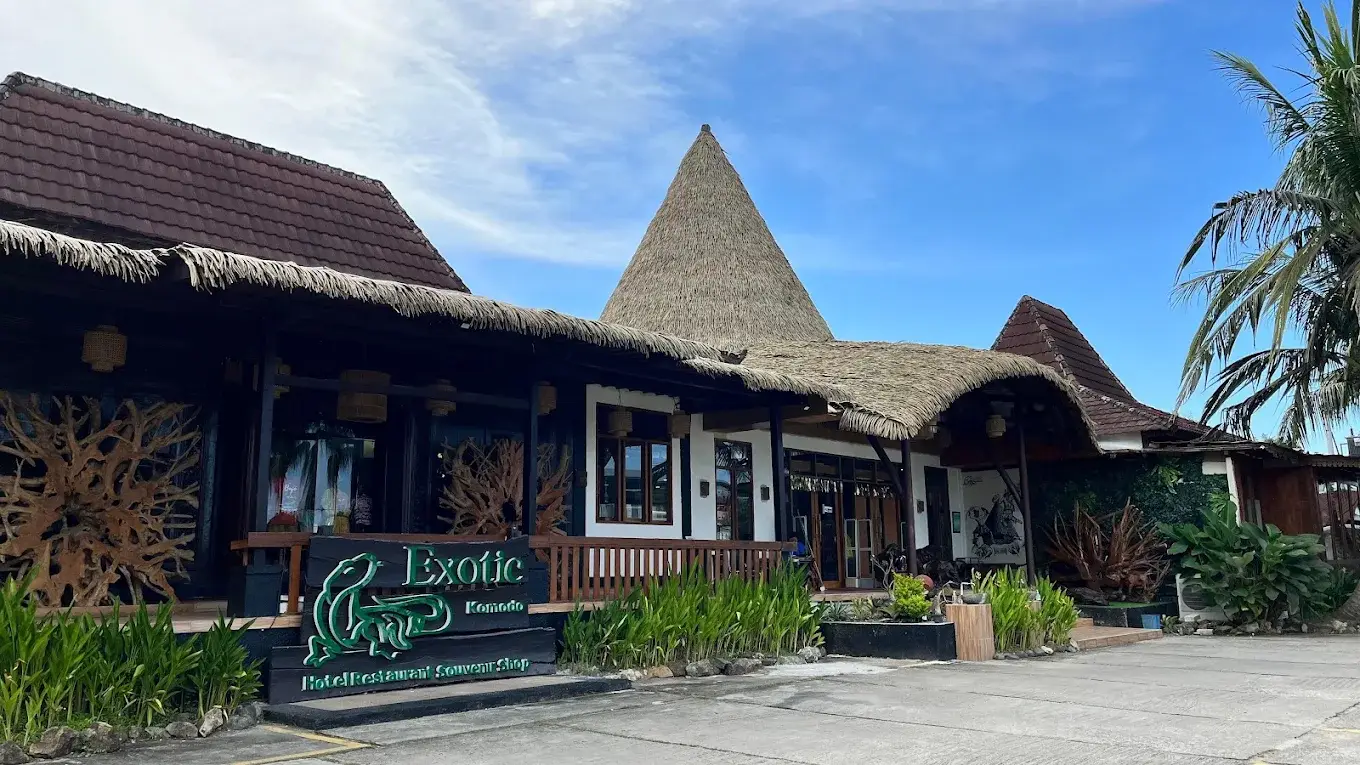
The port town of Labuan Bajo, situated on the westernmost tip of Flores Island, has experienced a profound metamorphosis from its humble origins as a quiet fishing settlement into the primary gateway for world-class marine tourism and luxury exploration in Indonesia. This transition represents more than mere economic growth; it reflects the emergence of a premium travel destination that harmonizes pristine natural beauty with deep-rooted cultural heritage. For sophisticated international travelers from the Netherlands, Italy, France, and beyond, the journey through the Komodo National Park and the wider Flores region is not complete without an exploration of the local soul, often found in the handcrafted treasures and rare products that define this archipelago. Within this context, the Seven Seas Group, an institution founded on the principles of maritime excellence and exploration, identifies the Exotic Komodo Souvenir Shop as a critical destination for visitors seeking authenticity and insight into the artistic legacy of the region.
Professional Analysis of the Retail Landscape in Labuan Bajo
As travelers navigate the bustling streets of Labuan Bajo, the retail landscape presents a variety of options ranging from local markets to modern shopping centers. However, for the discerning international guest, convenience and curation are paramount. The Exotic Komodo Souvenir Shop is strategically located directly in front of the Komodo Airport exit, providing a seamless transition for travelers to acquire unique mementos before their departure. This location is not merely a logistical advantage; it serves as a central hub where the diverse cultural expressions of East Nusa Tenggara are gathered in a single, professional environment.
The establishment is designed with distinctive ethnic accents that create a pleasant and culturally immersive ambiance, reflecting the Seven Seas Group’s commitment to high-quality service andPrime standards. Unlike the open-air markets that may be overwhelming for some, this facility offers a spacious, fully air-conditioned environment where items are displayed with care. The separation of food areas from clothing and handicrafts ensures that the quality and aroma of local specialties, such as Manggarai coffee, are meticulously maintained.
Operational Feature | Professional Detail |
|---|---|
Physical Location | Opposite Komodo International Airport entrance |
Environmental Control | Full air-conditioning and spacious relaxation areas |
Accessibility | Daily service from 07:00 to 22:00 |
Service Standards | Fixed pricing, professional packing, and staff storytelling |
Facility Amenities | Changing rooms, toilets, prayer rooms, and onsite parking |
The Philosophical Significance of Komodo Dragon Wood Carvings
For visitors from Europe, the hand-carved Komodo dragon statues found at the Exotic Komodo Souvenir Shop are often the most sought-after artifacts. These items capture the imagination not only because of their representation of the world's largest living lizard but because of the enigmatic history and spiritual depth they embody. To the local people of Komodo Island, known as the Ata Modo, the dragon is not a mere predator; it is a sacred relative.
The Legend of the Dragon Princess
The historical value of these carvings is intrinsically linked to the Legend of Putri Naga, or the Dragon Princess, a story passed down through generations to reinforce the bond between humans and nature. Folklore recounts that a princess living on Komodo Island married a man named Majo and gave birth to twins: a human boy named Gerong and a female dragon named Ora. Gerong was raised in the village, while Ora was left to roam the forests.
Years later, while hunting, Gerong encountered a large lizard and attempted to kill it, unaware of their kinship. At that moment, the Dragon Princess appeared, revealed their shared origin, and commanded that the people of Komodo must forever protect and respect the dragons as their siblings. This belief, known as "sebae" or the twinship tradition, remains a primary driver of local conservation efforts, where villagers coexist harmoniously with the dragons, viewing them as spiritual guardians of the land.
Artistic Execution and Valuation
The artisans who produce these statues are primarily selected members of the Komodo Village community, recognized for their specific wood-carving skills. Utilizing sustainable wood sources such as teak, suar, or hibiscus, they meticulously carve the dragon's features—powerful claws, serrated teeth, and scaly textures—using traditional tools passed down through centuries.
For the international collector, the value of these items is determined by the complexity of the posture and the quality of the wood. Some statues depict dragons in combat, while others represent the "twin" motif of the legend. High-end vintage pieces can command prices in the thousands of dollars, reflecting their status as unique cultural assets rather than mass-produced souvenirs.
Carving Attribute | Cultural and Commercial Insight |
|---|---|
Materiality | Sustained local wood (Suar, Teak, Hibiscus) |
Motif Significance | Postures of protection or combat based on local myths |
Artisan Source | Specifically encouraged community initiatives from Komodo Village |
Valuation Range | Tens of thousands to tens of millions of IDR |
Traditional Weaving as a Living Document of Identity
The textile collection at the Exotic Komodo Souvenir Shop represents a pinnacle of Indonesian cultural artistry, specifically focusing on the Tenun Ikat of Flores and the Songke of Manggarai. For travelers from countries with rich textile histories like Italy and France, these handwoven fabrics are recognized as masterworks that can take up to a month to complete.
The Philosophical Threads of Manggarai Songke
Known locally as Towe Songke, the weaving tradition of the Manggarai community is characterized by its deep black base and intricate, colorful motifs. Traditionally, only women master this technique, making the fabric a symbol of female strength and social status in East Nusa Tenggara. Every motif woven into the cloth serves as a visual story, carrying values that guide everyday life.
Mata Manuk (Bird's Eye): This motif represents sharp watchfulness, protection, and the spiritual guidance of the ancestors. It is a symbol so potent that it was chosen for the beautification of the Komodo Airport to welcome international guests with local wisdom.
Ntala (Star): Symbolizes the aspirations of the people, hope, and the purity of the morning star.
Ranggong (Spider): Reflects honesty, diligence, and the resilience required to navigate the complexities of life.
Rhombus: A depiction of the unity between the leadership and the people, and the balance between the earthly and spiritual realms.
Regional Diversity in Flores Ikat
The shop also offers a curated selection of textiles from other regions of Flores, reflecting the island's isolation by steep terrain which allowed distinct cultural identities to flourish.
Sikka Weaving: Influenced by 16th-century Portuguese traders, Sikka textiles often feature flower bouquets, lions, and deers, blending European aesthetics with indigenous techniques.
Ende-Lio Weaving: Known for motifs associated with traditional rituals and laws that must be implemented by the community, often using reddish or blue-black dyes.
Ngada Weaving: Typically features stick-like horse patterns (symbolizing prestige) and snakes (associated with fertility and the underworld).
The manufacturing process involves more than 20 stages, from harvesting locally grown cotton to utilizing natural dyes derived from roots (mengkudu), turmeric, and indigo leaves. This dedication to craftsmanship ensures that each piece is a unique piece of art with high cultural significance.
The Rare Soul of Flores in Juria Coffee
For European tourists, coffee is often a central part of the cultural experience. The Exotic Komodo Souvenir Shop offers one of the most exclusive varieties in the world: Juria coffee. Grown in the volcanic highlands of Colol, East Manggarai, Juria is a rare Typica Arabica that stands as a living testament to the history of Indonesian coffee.
Historical Resilience and Rarity
Over a century ago, coffee leaf rust disease decimated the Typica coffee plantations across the archipelago. While most regions transitioned to more disease-resistant but lower-quality Robusta, a few Juria trees survived in the high-altitude Manggarai Mountains. In 1944, these trees were further propagated by a young student from Sulawesi, becoming a "soul drink" for the local Manggarai people.
These trees are often unpruned and can reach heights of up to 5 meters, requiring farmers to climb them to selectively harvest the cherries. Most remarkably, information provided to tourists highlights that Juria coffee can take up to two years to reach a full harvest cycle in certain conditions, making it an exceptionally rare find on the global market.
Sensory Profile and Terroir
Grown at altitudes between 1,100 and 1,700 meters above sea level, the Juria bean benefits from fertile volcanic soil and the island's unique microclimates. The flavor profile is characterized by a strong body, sweet aroma, and notes of tropical fruit and chocolate, with a long-lasting finish that appeals to the refined palates of Italian and French connoisseurs.
Coffee Profile | Specialty Characteristics |
|---|---|
Botanical Variety | Rare Typica Arabica |
Harvest Methodology | Selective hand-picking from 5-meter trees |
Altitude/Environment | 1,100 - 1,700 masl, Volcanic soil |
Flavor Spectrum | Nutty, creamy, chocolatey, sweet tropical notes |
Production Scale | Limited smallholder production, sacred tree status |
Maritime Elegance and Pearl Cultivation
As the gateway to the Komodo National Park, Labuan Bajo is intrinsically tied to the sea. This connection is physically represented at the Exotic Komodo Souvenir Shop through its extensive collection of high-quality pearl jewelry. The region is famous for both saltwater and freshwater pearls, which are cultivated in the pristine, nutrient-rich waters of the Flores Sea.
European travelers, particularly those from Italy who value fine jewelry and craftsmanship, find these pieces particularly appealing. The shop offers a range of designs, from simple studs to complex necklaces set in silver or gold. By sourcing directly from local producers, the shop ensures that the pearls are authentic and support the maritime economy of East Nusa Tenggara.
The Role of The Seven Seas Group in Cultural Mediation
A professional tour guide from the Seven Seas Group does not merely recommend a shop; they act as a cultural mediator between the traveler and the local heritage. Licensed guides, trained by the Indonesian Tourist Guide Association (HPI), are equipped with the knowledge to interpret the stories behind the souvenirs, transforming a commercial transaction into a meaningful cultural exchange.
Trust and Authoritativeness in Shopping
The Exotic Komodo Souvenir Shop is recognized for its fixed-pricing model, which aligns with the preferences of many international visitors who prefer a hassle-free experience without the need for haggling. This transparency builds trust, a core component of the E-E-A-T (Experience, Expertise, Authoritativeness, and Trustworthiness) standards upheld by the Seven Seas Group. Furthermore, the shop’s ability to professionally pack fragile items, such as large wood carvings or delicate textiles, ensures that these treasures can be safely transported to the traveler’s home country.
Practical Advice for International Guests
To maximize the value of their visit, professional guides provide the following logistical insights for international guests :
Financial Preparation: While major credit cards are accepted at premium shops like Exotic Komodo, cash in Indonesian Rupiah (IDR) is essential for smaller vendors and village visits.
Modesty and Respect: When visiting weaving communities or rural villages where these souvenirs are made, travelers are encouraged to dress modestly out of respect for local customs.
Gift Etiquette: When receiving a souvenir or gift from a local artisan, it is customary to accept it with both hands as a sign of gratitude.
Economic Impact and Sustainable Tourism
The purchase of authentic items at the Exotic Komodo Souvenir Shop contributes significantly to the local creative economy and the preservation of traditional livelihoods. In a region where tourism is a major driver of development, supporting community-based initiatives—such as the woodcarvers of Komodo Village or the weavers of Manggarai—ensures that cultural heritage is valued and sustained for future generations.
The establishment of the Labuan Bajo Flores Tourism Authority (BPOLBF) and the designation of Labuan Bajo as a "super-priority" destination have facilitated the growth of venues that showcase local artistry to a global audience. By choosing high-quality, story-driven souvenirs, international visitors participate in a sustainable tourism model that rewards craftsmanship and environmental stewardship.
Detailed Regional Guide to Souvenir Selection
To assist travelers from different backgrounds, the following table summarizes the primary categories of souvenirs available at the shop and their specific regional origins.
Souvenir Category | Primary Region | Unique Selling Point | Curiosity Factor |
|---|---|---|---|
Wood Carvings | Komodo Village | "Sebae" twin legend | Prehistoric wildlife connection |
Manggarai Songke | Highlands/Ruteng | Philosophical black textiles | Only woven by women |
Sikka Ikat Weaving | Maumere | Portuguese-inspired motifs | Complex 20-stage process |
Juria Coffee | East Manggarai | Survivor of Typica rust | 2-year harvest rarity |
Pearl Jewelry | Flores Sea | High marine purity | Local cultivation techniques |
Traditional Snacks | Labuan Bajo | Kompiang sesame bread | Iconic sesame and sesame aroma |
Insights for European Consumer Markets
The Seven Seas Group recognizes that tourists from the Netherlands, Italy, and France have specific preferences that are expertly met by the selection at Exotic Komodo Souvenir Shop.
Netherlands: Dutch travelers often appreciate items that reflect the shared maritime and colonial history, such as Sikka textiles with European influences or the Juria coffee, which traces its lineage back to early Dutch cultivation in the East Indies.
Italy: Italian guests are frequently drawn to the high-quality leather-like feel of durable handwoven fabrics and the precision of silver and pearl jewelry, valuing the intersection of fashion and heritage.
France: French visitors tend to seek regional gourmet specialties and refined crafts, making single-origin artisan coffee and high-art wood carvings a priority.
Enhancing the Value through Historical Context
The true value of a souvenir from Labuan Bajo lies in the story it tells. A Komodo dragon carving is not just wood; it is the physical manifestation of a Pleistocene predator that has roamed these islands for four million years and remains an icon of Indonesian biodiversity. A piece of Towe Songke is not just a cloth; it is a repository of Manggarai philosophy, where every thread represents a connection between the wearer, their ancestors, and the universe.
By purchasing these items at a curated professional establishment like the Exotic Komodo Souvenir Shop, travelers ensure they are acquiring authentic artifacts that carry the spirit of the region. This commitment to quality and storytelling is what sets the shop apart as a premier destination for international guests seeking more than a standard trinket.
Synthesis of Heritage and Modern Tourism
The future of tourism in Labuan Bajo depends on the successful integration of world-class facilities and the preservation of ancient traditions. The Exotic Komodo Souvenir Shop plays a vital role in this ecosystem by providing a platform for local artisans to reach the global market while maintaining the integrity of their work.
The Seven Seas Group, as a leader in luxury maritime exploration, encourages travelers to look beyond the surface of their journey. In the intricate patterns of an ikat sarong or the deep flavor of a Juria bean, one can find the history of human resilience, the myths of a princess and her dragon sibling, and the soul of a land that remains one of the most pristine corners of the world.
The artifacts found at the Exotic Komodo Souvenir Shop are the chapters of that story, waiting to be taken across the oceans to the homes of those who appreciate the enigmatic history of the last dragon on Earth. Whether it is a small figurine for a desk or a large textile for a wall, these items serve as lasting reminders of the beauty, hospitality, and cultural richness of Flores and the Komodo Islands.
Technical Summary of Product Authenticity
To ensure that international guests make informed decisions, the following table provides a technical breakdown of the signs of quality and authenticity for the primary products at the shop.
Product | Signs of Authenticity | Professional Tip |
|---|---|---|
Traditional Batik | Pattern visible on both sides of the fabric | Look for "Batik Tulis" (hand-drawn) |
Tenun Ikat | Blurred motif edges and natural earth tones | Soft texture indicates high-quality cotton |
Wood Carvings | Detailed anatomy (claws, serrated tongue) | Check for COA (Certificate of Authenticity) |
Coffee Beans | Uniform size and roasting level | Use airtight, double-bagged storage |
Silver Jewelry | Distinctive traditional motifs (often filigree) | Look for regional hallmarks |
For those embarking on an epic dive cruise or a private yacht charter with the Seven Seas Group, the journey into the heart of Flores culture begins and ends at the Exotic Komodo Souvenir Shop. By selecting treasures that are unique and deeply rooted in the history of the archipelago, international visitors carry home a piece of the timeless heritage that continues to define the spirit of Indonesia.