
Malaria Safety Guide for Exploring Labuan Bajo and Komodo Island
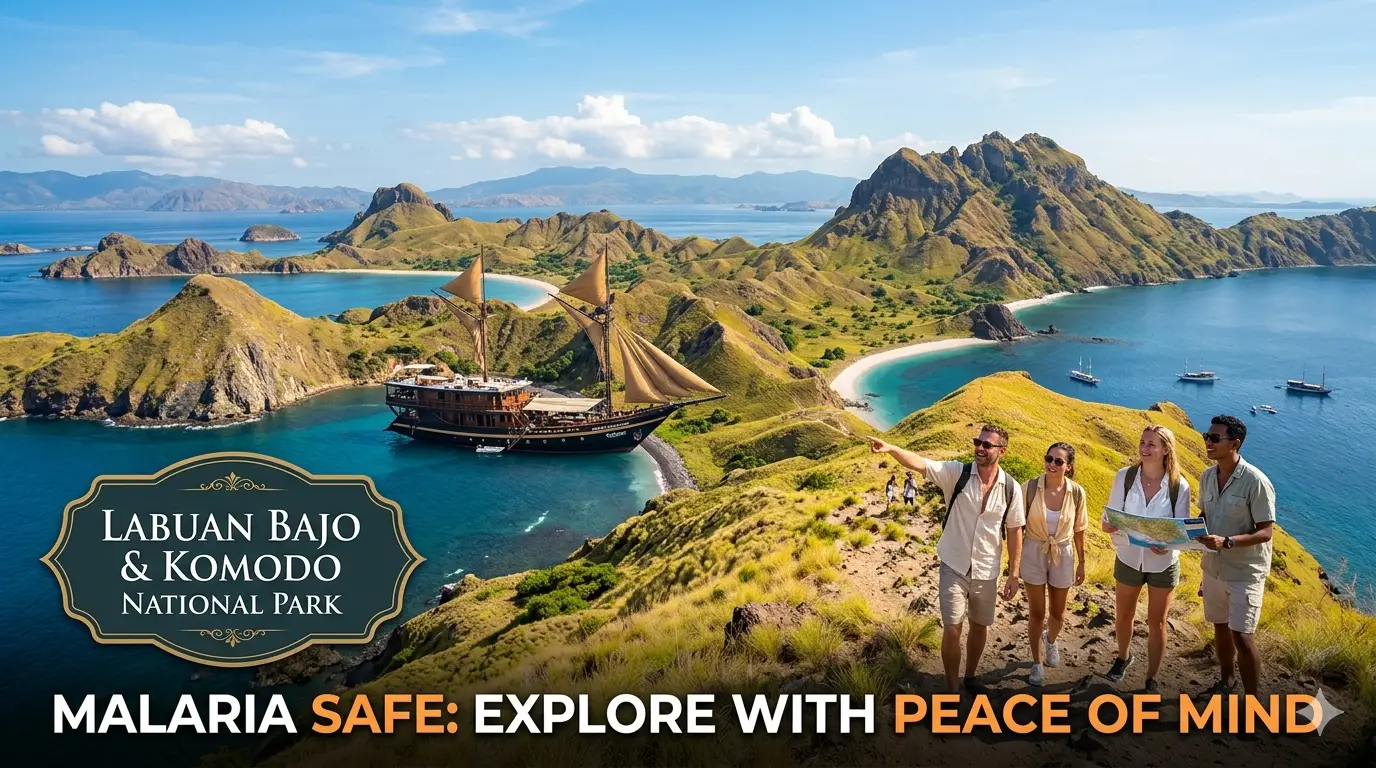
As you prepare to step off the polished teak decks of your luxury Phinisi and immerse yourself in the dramatic, ancient landscapes of East Nusa Tenggara, it is completely natural to wonder about regional health and safety. One of the most frequent questions we receive from our distinguished guests at The Seven Seas Group is whether Labuan Bajo and the surrounding Komodo National Park pose any real risk for malaria.
We want to warmly reassure you that you can explore every breathtaking volcanic viewpoint, hidden limestone cave, and vibrant local village with complete peace of mind. Here is a professional, science-backed guide to why your land-based adventures in this pristine tropical paradise are remarkably safe.
Does Labuan Bajo Have Malaria?
When planning an unforgettable tropical getaway to East Nusa Tenggara, many international travelers naturally ask themselves, does labuan bajo have malaria? The definitive and highly reassuring answer is no. The bustling harbor town of Labuan Bajo, which serves as the vibrant gateway to the Komodo National Park and the wider West Manggarai Regency, is officially certified malaria-free.
In 2023, the Indonesian Ministry of Health formally presented the region with the prestigious Malaria Elimination Certificate. This highly sought-after government certification is only awarded to regions that successfully maintain three consecutive years of zero indigenous, locally transmitted cases.
According to the latest national public health data, more than 410 out of 514 regencies across Indonesia have now achieved this certified malaria-free status. Furthermore, official surveillance records show that over 95 percent of all reported malaria cases in the country are heavily concentrated in the far eastern provinces of the Papua region. This vast geographical isolation means that premium tourist corridors like West Manggarai are entirely safe and free from endemic transmission.
To protect this coveted status and ensure the continuous safety of international travelers, local health authorities enforce a rigorous, proactive safety net at all entry points. Through the comprehensive Malaria Migration Surveillance program, proactive health screenings and rapid diagnostic protocols are conducted on arrivals coming from known endemic outer islands. By identifying, tracking, and treating imported cases immediately at ports and airports, the local government has successfully kept the resident mosquito population entirely free from the parasite, establishing a highly secure environment for your land excursions.
The Dry Savanna Landscape of Komodo Island
A common misconception among travelers is that all tropical islands in Indonesia consist of wet, humid rainforests where malaria-carrying mosquitoes thrive. However, the unique geography and climate of the Komodo National Park tell a completely different story.
Islands like Komodo, Rinca, and Padar lie within a distinct dry climatic zone influenced by seasonal winds from the Australian continent. Characterized by dry, rugged savannas, dramatic volcanic hills, and prolonged dry seasons, these islands have virtually no standing freshwater. Because female Anopheles mosquitoes require stagnant, shaded, and clean freshwater pools to breed, they simply cannot survive or multiply in these breezy, sun-drenched coastal terrains.
When you trek to the spectacular, multi-bay viewpoints of Padar Island or walk alongside the legendary Komodo dragons in their natural habitat, the combination of constant coastal winds, dry soils, and lack of freshwater breeding grounds means the risk of malaria transmission is practically non-existent.
Exploring Land Destinations in West Manggarai
Beyond the boundaries of the national park, the mainland of Flores offers incredible treasures that are highly worth exploring on foot. Whether you are watching the golden sunset paint the rolling landscape from the iconic summit of Sylvia Hill, marveling at the reflective limestone formations inside Batu Cermin Cave, or swimming in the sparkling, crystal-clear saltwater pool of Rangko Cave, you are visiting highly developed and heavily monitored tourist corridors.
The local government prioritizes public health, vector control, and environmental sanitation in these high-traffic tourist zones. Stagnant water sources are actively managed by public health officers, and local communities are deeply educated on keeping their environments clean. This means that even during deep overland cultural excursions or scenic walking tours, you are stepping into areas specifically managed to keep international travelers healthy, comfortable, and safe.
Practical and Effortless Safety Tips for Ultimate Peace of Mind
While the clinical risk of contracting malaria during your land explorations in Labuan Bajo and the Komodo islands is virtually zero, practicing standard tropical health precautions is always a smart way to ensure an entirely stress-free holiday. Here are a few simple, practical tips recommended by our experienced cruise directors:
Apply High-Quality Repellent: Use a reliable insect repellent containing DEET, Picaridin, or IR3535 when embarking on late afternoon land treks, particularly during the dusk hours when general forest insects, though harmless, are most active.
Wear Lightweight Protective Clothing: If you plan to explore shaded inland paths, forest trails, or traditional villages, wearing lightweight, long-sleeved linen shirts and trousers provides an excellent physical barrier against any insects while keeping you cool.
Stay Well Hydrated: The tropical sun can be intense during your land walks. Always carry a chilled bottle of purified water provided by our attentive crew, wear a wide-brimmed sun hat, and apply plenty of reef-safe sunscreen.
Your Health and Comfort are Our Highest Priority
At The Seven Seas Group, we design our custom itineraries to seamlessly transition from the absolute luxury of our Buginese Phinisi, the Seven Seas, to the most captivating land destinations in Flores. Our professional crew of fifteen, which includes certified dive guides, first-aid responders, and wilderness trekking experts, is fully trained in comprehensive safety and regional medical protocols.
We carry advanced medical supplies on board, maintain rigorous hygiene standards, and keep direct satellite and radio communication with mainland medical facilities to guarantee your safety at every single step of your journey.
You do not have to let health worries hold you back from scaling the dramatic ridges of Flores, swimming in secluded saltwater caves, or meeting the ancient Komodo dragons up close. Labuan Bajo and the surrounding islands are safer, healthier, and more welcoming than ever, waiting to offer you the luxurious adventure of a lifetime.