
Manta Point Labuan Bajo a place to see manta rays in their natural habitat
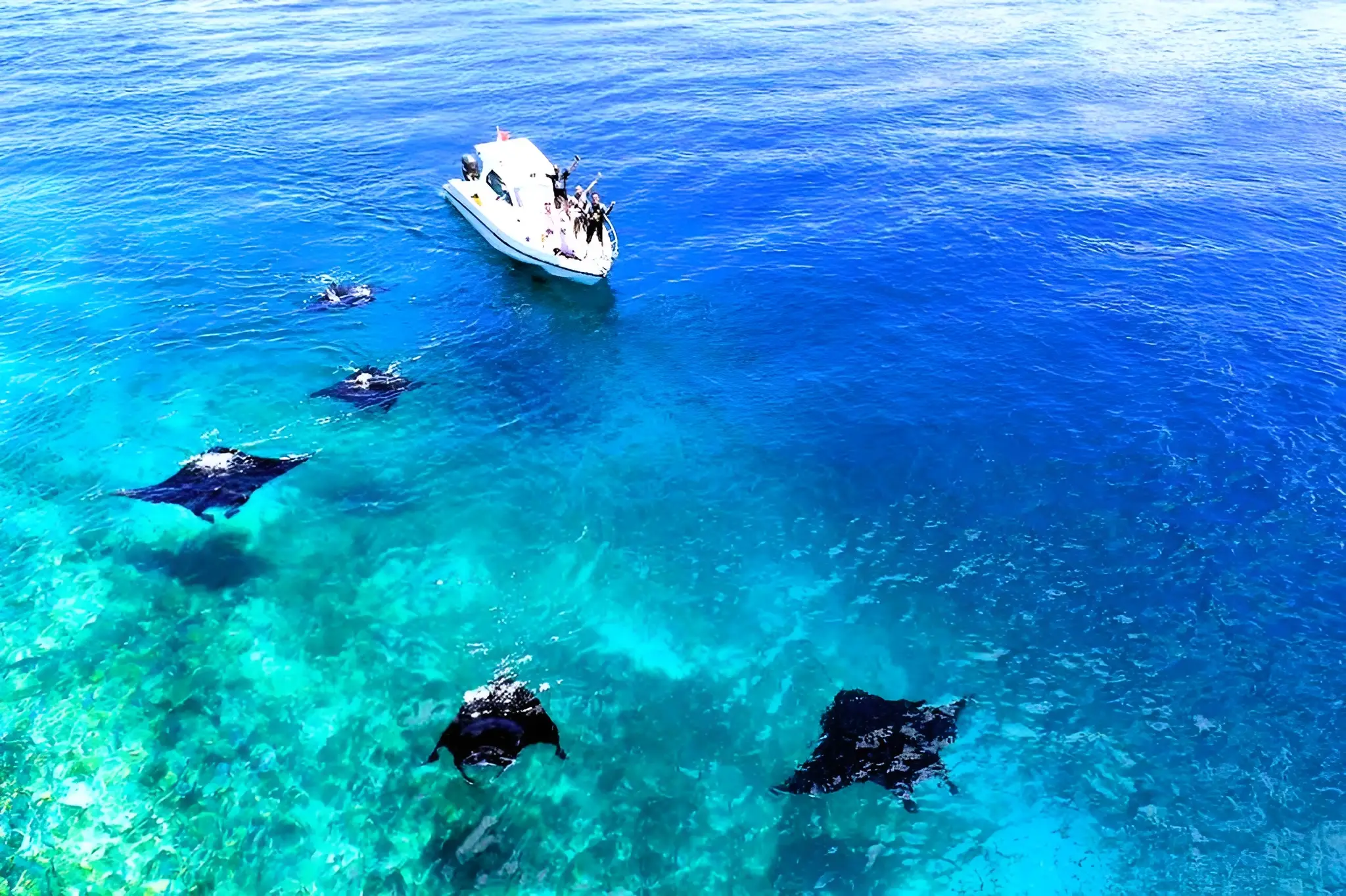
One of the most common questions I hear from travelers when guiding them around Labuan Bajo is simple: “Is it really possible to see manta rays in the wild here?” The answer is yes, and one of the best places to experience that moment is Manta Point within Komodo National Park.
As a tour guide who has brought many guests to snorkel and dive in this region, Manta Point is often one of the most anticipated stops on the itinerary. The reason is not what you see from the boat, but what lies beneath the surface. Encounters with manta rays in their natural habitat often become one of the most memorable moments for visitors exploring the waters around Labuan Bajo.
This guide explains where Manta Point Labuan Bajo is located, why it is such an important marine habitat within Komodo National Park, and what travelers should realistically expect when visiting this location.
Location of Manta Point in Komodo National Park
Manta Point is located within the waters of Komodo National Park, a protected marine area in East Nusa Tenggara, Indonesia. The park lies between Komodo Island and Rinca Island and is internationally known for the Komodo dragon. However, its marine biodiversity is just as remarkable.
From the town of Labuan Bajo, the journey to Manta Point usually takes around two to three hours by tour boat. The route often passes several small islands and open ocean areas that are part of the Coral Triangle, one of the most biodiverse marine regions on Earth.
Geographically, Manta Point sits along a current corridor where ocean currents carry nutrient rich plankton through the area. Plankton is the primary food source for manta rays, which is why they regularly gather here.
For visitors, this ecological condition increases the chances of encountering manta rays, especially when ocean currents and weather conditions are favorable.
Main attraction of Manta Point
What makes Manta Point stand out compared to many other snorkeling or diving locations around Labuan Bajo is the relatively consistent presence of manta rays.
Manta rays are among the largest fish in the ocean. Their wingspan can exceed four meters. When seen underwater, their movement appears incredibly smooth and graceful, almost as if they are gliding through the water.
At Manta Point, manta rays typically visit for two main reasons. The first is feeding. When currents carry large concentrations of plankton, manta rays gather to feed near the surface.
The second reason is related to cleaning stations. These are specific areas where small reef fish remove parasites from the manta rays’ bodies. Divers and snorkelers who remain calm in the water sometimes have the chance to observe this natural interaction.
During favorable conditions, it is not uncommon for visitors to see several manta rays swimming in the same area. However, like all wildlife encounters, sightings still depend on natural factors.
As a guide, I always remind visitors that we are entering the natural habitat of wild marine animals. There are good chances to see manta rays here, but nature never guarantees an appearance.
Professional insight from guiding experience
There are several important details that are not always mentioned in travel brochures but are useful for visitors planning to explore Manta Point.
The first is ocean currents. Currents in this area can change quickly. On certain days they can become strong enough that the site is more suitable for experienced divers rather than casual snorkelers. On calmer days, snorkeling conditions can be very comfortable.
Because of this, the final decision to enter the water is usually made by the local guide and boat captain who understand the sea conditions in the area.
The second point involves wildlife interaction etiquette. Komodo National Park has clear rules regarding distance from marine animals. Visitors should never touch manta rays or swim directly toward them.
Manta rays are sensitive to disturbance. If swimmers move too aggressively, the animals will simply swim away. The best way to observe them is to remain calm at the surface and allow the manta rays to move naturally through the water.
The third factor is underwater visibility. The water around Manta Point is generally clear, but visibility can change depending on plankton concentration and ocean currents. Sometimes the water may appear slightly cloudy because of plankton, which ironically increases the likelihood of manta rays feeding nearby.
For experienced divers, this condition often signals that manta rays may be present in the area.
Comparison with other manta locations near Labuan Bajo
Within Komodo National Park, there are several other manta ray sites. One of the most well known is Manta Alley, located closer to Komodo Island.
The primary difference lies in sea conditions. Manta Alley usually experiences stronger currents and is more commonly visited by advanced divers. Manta Point, on the other hand, is more frequently included in snorkeling routes for general visitors.
Many day tours from Labuan Bajo combine Manta Point with other destinations such as Padar Island, Pink Beach, or Komodo Island.
This combination creates a well rounded itinerary where travelers can experience dramatic island landscapes, beaches, and marine wildlife in a single day trip.
Best time to visit Manta Point
In general, the best time to explore Labuan Bajo and Komodo National Park is between April and November. During this period, weather conditions are usually more stable and the sea tends to be calmer.
Manta rays can actually be seen throughout the year, but sightings are often more frequent when plankton rich currents are active in the region.
Most snorkeling and diving activities at Manta Point take place in the morning or early afternoon when sunlight improves underwater visibility.
However, ocean conditions remain the determining factor. Experienced guides typically adjust the schedule based on current patterns and daily sea conditions.
Professional tips before visiting Manta Point
Before entering the water at Manta Point, there are a few practical tips I usually share with guests.
First, use snorkeling or diving equipment that fits comfortably. A well fitting mask can make a big difference when spending time in the water.
Second, remain calm when you see a manta ray. Many first time visitors instinctively swim closer out of excitement, but sudden movements often cause manta rays to swim away.
Third, always follow the instructions of your guide. Local guides are familiar with current patterns and safe entry points.
Fourth, use reef safe sun protection whenever possible. Certain chemical sunscreens can harm coral ecosystems.
Finally, bring an underwater camera if you want to capture the moment. That said, it is also worth taking time to simply observe the experience without focusing entirely on photography.
Conclusion from a tour guide perspective
After guiding many trips around Labuan Bajo, I consider Manta Point one of the most rewarding marine experiences within Komodo National Park.
This location is not just another snorkeling or diving site. It represents a natural meeting point between ocean currents, plankton, and one of the largest and most elegant creatures in the sea.
For many travelers, the moment when a manta ray quietly glides beneath them becomes one of the highlights of their journey in Labuan Bajo.
From a guide’s perspective, the reactions are often the same. First surprise, then silence, followed by a sense of appreciation for witnessing wildlife in its natural environment.
If you are planning a trip to Labuan Bajo, including Manta Point in your itinerary is a reasonable choice. With responsible behavior and guidance from experienced local crews, the experience can become one of the most memorable parts of exploring Komodo National Park.